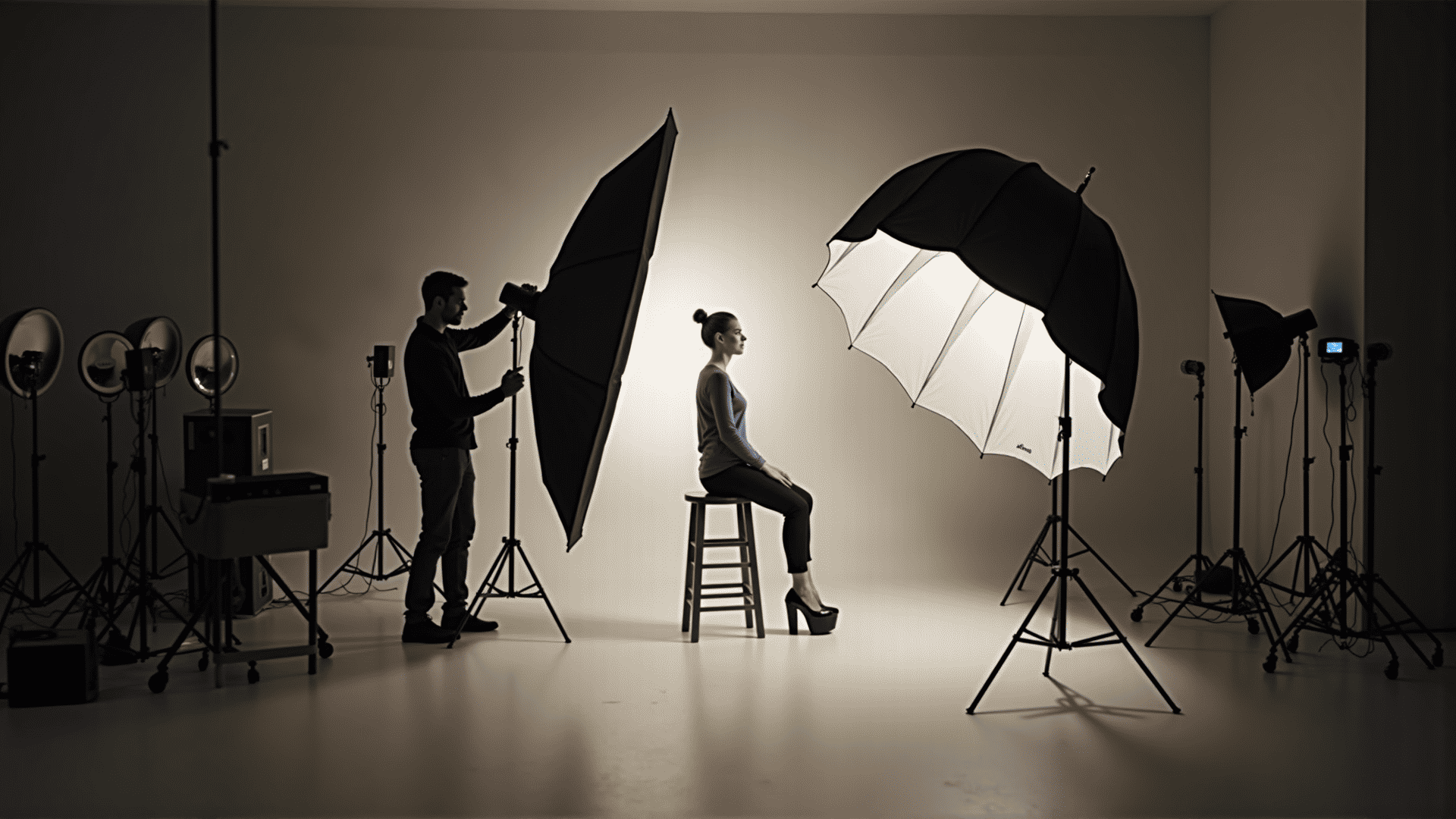
Lighting plays a pivotal role in crafting compelling images, serving as the primary tool for photographers to shape both exposure and mood. Understanding how to manipulate and utilize light effectively can transform an ordinary scene into something extraordinary, enhancing the narrative and emotional impact of your photograph.
The Fundamentals of Light
To begin mastering lighting, it's essential to understand its fundamental properties: intensity, direction, color, and quality.
-
Intensity refers to the brightness of light. Adjusting the intensity can dramatically affect your image's exposure. Overly bright light can wash out details, while insufficient light can obscure them.
-
Direction determines where shadows fall and how they sculpt your subject. Front lighting often creates flat images, while side lighting adds dimensionality, and backlighting can produce dramatic silhouettes.
-
Color is influenced by the light source. Natural sunlight provides a warm, golden hue during the "golden hours" of sunrise and sunset, while artificial light might appear cooler or warmer, depending on the source.
-
Quality describes how harsh or soft the light is. Harsh light, like the midday sun, creates strong shadows and contrast, whereas soft light, such as diffused light on a cloudy day, wraps gently around subjects for more even illumination.
Lighting Techniques and Their Effects
-
Natural Light: Leveraging natural light requires an understanding of its changing angles and intensities throughout the day. Early morning and late afternoon light are often preferred for their warmth and softness. Reflectors can be used to redirect sunlight to fill shadows or highlight details.
-
Artificial Light: Studio settings give photographers complete control over lighting conditions. Flash units and continuous lighting can be adjusted for desired intensity and temperature. Softboxes and umbrellas disperse light evenly, making them ideal for portraiture and product shots.
-
The Use of Shadows: Shadows add depth and intrigue to photos. Experimenting with different light sources can produce interesting shadow play, contributing to the composition's narrative. This technique is particularly effective in black and white photography, where contrasts can be more pronounced.
-
High Key and Low Key Lighting: High key lighting minimizes shadows, producing bright, airy images often used in fashion or commercial work. In contrast, low key lighting emphasizes shadows, creating moody, dramatic compositions favored in artistic and conceptual photography.
Creative Exploration
Once the basics are mastered, using light creatively becomes an artist's tool to convey emotion and atmosphere. Consider experimenting with:
-
Silhouettes: Position your subject against a brighter background and expose for the backdrop to create striking outlines.
-
Lens Flares: Allow light to hit the lens directly to introduce flares, adding an ethereal, dreamy quality to images.
-
Color Gels: Alter the mood with colored gels on artificial lights, giving scenes a unique tone and character.
In summary, mastering the nuances of lighting requires both technical understanding and creative experimentation. By exploring how different light sources influence mood and exposure, photographers can enhance their artistic vision, capturing images that resonate with viewers on a deeper level. The key lies in not just seeing light, but learning to manipulate it in ways that bring your photographic narratives to life.