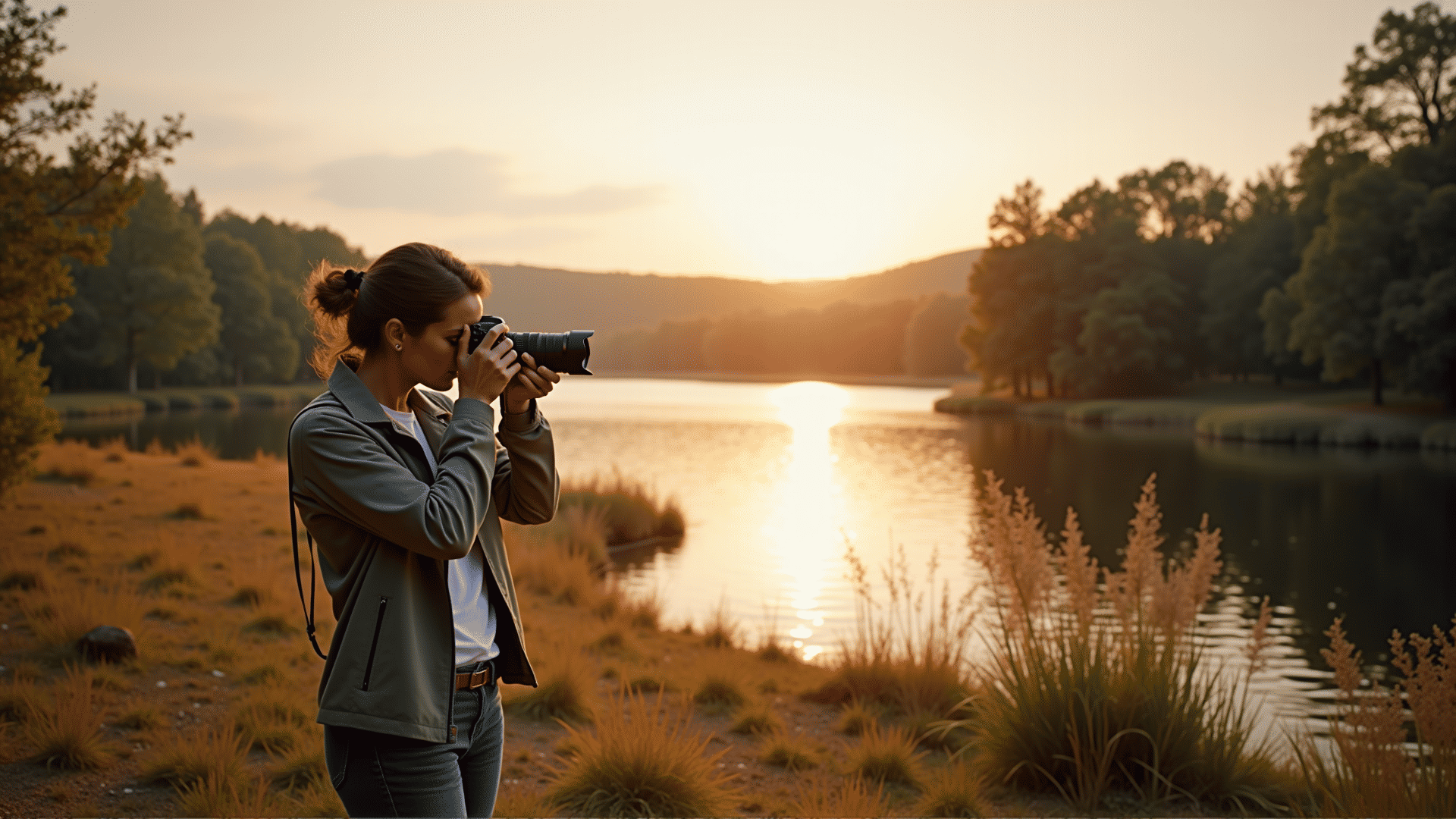
Understanding the art of handling a camera involves more than simply pointing and shooting. The mastery lies in the ability to control and creatively influence each shot, transforming a simple vision into a compelling image. Here are some techniques that can significantly enhance your skills, taking your work to a new artistic level.
Understanding Exposure
At the core of every great shot is a fundamental understanding of exposure. This involves the coordination of three essential elements: aperture, shutter speed, and ISO. Each of these components has a significant impact on the final output, affecting brightness, depth of field, and clarity.
-
Aperture: Adjusting the aperture controls the amount of light entering the camera, affecting the depth of field. A lower f-stop (e.g., f/2.8) results in a shallow depth of field, which is ideal for portraits, isolating subjects against a blurred background, while a higher f-stop (e.g., f/16) is suitable for landscapes where detail throughout the scene is required.
-
Shutter Speed: This determines how long the camera’s sensor is exposed to light. A fast shutter speed (e.g., 1/1000) is perfect for capturing fast-moving subjects like athletes or animals in motion, while a slower shutter speed (e.g., 1/4) is often used to create motion blur or capture low-light scenes.
-
ISO: The ISO setting affects the sensor’s sensitivity to light. A lower ISO (e.g., 100) is ideal for bright conditions, maintaining image clarity, while a higher ISO (e.g., 3200) can be used in darker settings, albeit introducing some grain or noise into the image.
Mastering Composition
Composition is about arranging elements within a frame, guiding the viewer’s eye and delivering a more engaging image. This can be achieved through various techniques:
-
Rule of Thirds: By dividing the frame into a 3x3 grid, positioning the subject along these lines or their intersections can create more balance and interest.
-
Leading Lines and Symmetry: Using natural lines within a scene to lead the viewer’s gaze towards the subject can create depth. Symmetry, on the other hand, embodies balance and harmony within a shot.
-
Framing: Utilizing elements within the scene to frame the subject can add layers to the image, drawing more focus to the primary subject.
Harnessing Natural Light
Natural light can significantly enhance the mood and aesthetic quality of a photograph. The key is understanding how to work with light at different times of the day:
-
Golden Hour: Occurring shortly after sunrise and before sunset, this period is ideal for capturing warm, soft, and diffused lighting, adding a golden hue to your images.
-
Blue Hour: Just before sunrise and after sunset, the soft blue tones create a serene atmosphere perfect for landscapes and cityscapes.
-
Harsh Midday Sun: Although challenging, it’s possible to work with bright, harsh light by using shadows creatively or seeking out diffused light under shade.
Experimenting with Perspectives
Changing perspectives can dramatically alter the impact of a photograph. Unusual angles or vantage points can offer fresh and intriguing views of familiar subjects. This might involve getting low to the ground for a unique look or framing the subject from above to showcase patterns and symmetry.
The Use of Filters and Post-Processing
While capturing the perfect image is vital, post-processing can enhance the details, bringing a photo to life. Filters can subtly adjust tones or add effects, while editing software allows for more extensive enhancements such as correcting exposure, color correction, or rectifying any distortions.
In conclusion, mastering your camera involves both technical understanding and creative exploration. By exploring different techniques and embracing your unique perspective, you can craft images that resonate with depth and emotion, telling a story with every shot.