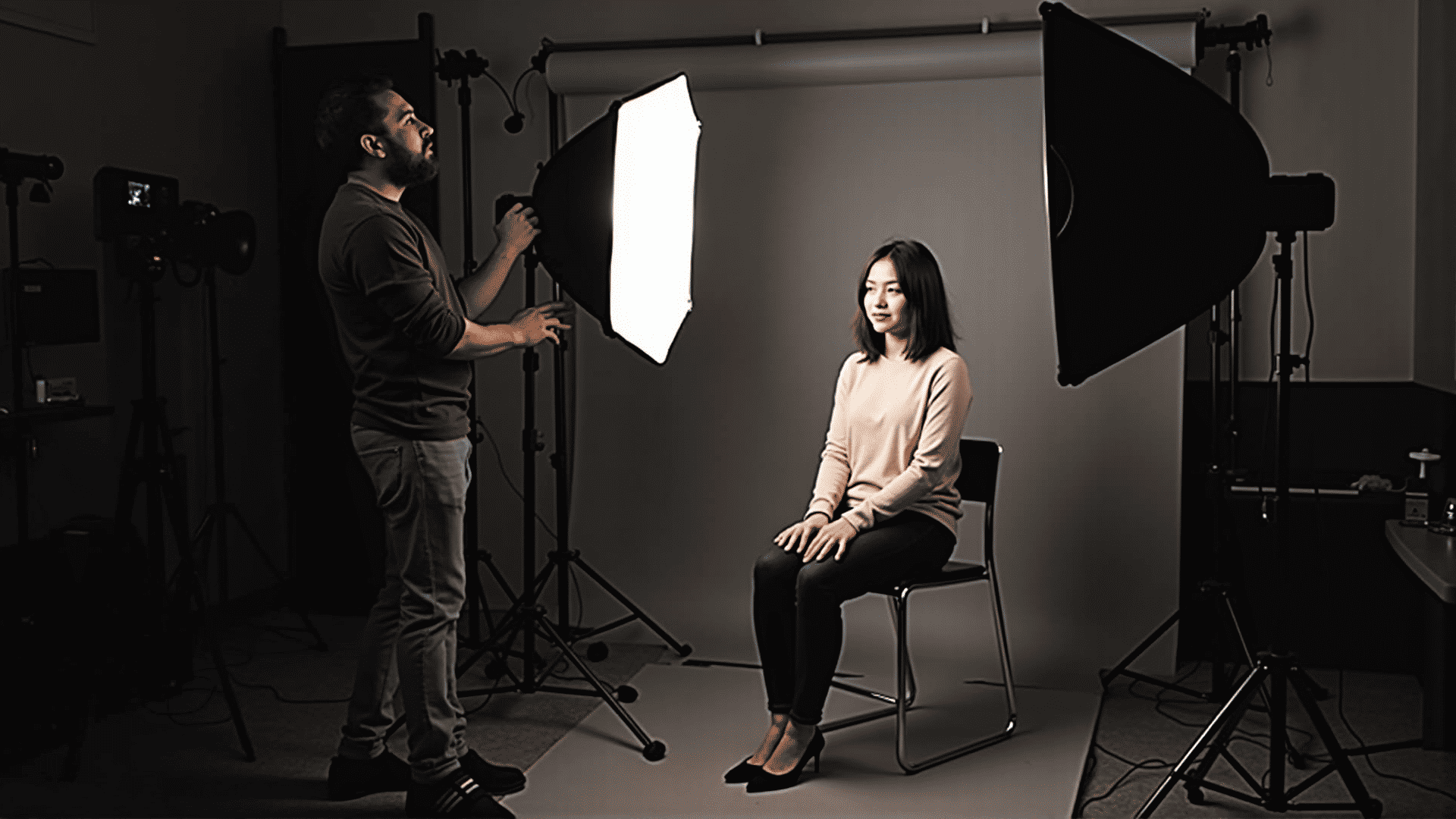
Lighting plays a crucial role in the world of capturing images, often making the difference between a good shot and a great one. Understanding and mastering different lighting techniques is essential for anyone looking to enhance their skills.
One fundamental concept to grasp is the difference between natural and artificial sources. Natural light, provided by the sun, offers soft and intricate variations throughout the day. The early morning and late afternoon are referred to as the "golden hours," when the sun casts a warm glow and soft shadows that add a magical touch to images. On overcast days, the light is diffused across the sky, providing a soft, even source ideal for portraits and detail-focused captures.
In contrast, artificial sources such as lamps or flash units offer control and consistency. They allow for creative experimentation, enabling practitioners to sculpt and define their subjects in dynamic ways. By adjusting the angle, intensity, and softness of artificial sources, you can achieve a wide range of moods and effects.
Harnessing the power of shadows is another essential skill. Shadows can add depth, dimension, and drama to an image. By altering the direction and quality of your illumination, you can either deepen these shadows for a high contrast look or reduce them for something softer and more inviting.
Reflectors and diffusers are invaluable tools in one's arsenal. Reflectors can bounce light back onto a subject, filling in shadows and creating a more balanced exposure. They come in various surfaces, such as white for softening, silver for a bright reflective quality, and gold for a warm touch. Diffusers, on the other hand, soften harsh sources by scattering the beams, ensuring that the subject is evenly lit without harsh highlights or shadows.
Understanding the color temperature is also vital in crafting your images. Light varies in hue from warm tones to cool blues, influencing the atmosphere of a scene. By adjusting camera settings or strategically choosing your sources, you can maintain accurate color representation or creatively shift hues to evoke specific moods.
Lastly, practice is key. Experimenting with different settings and equipment in various environments helps to develop a keen eye for lighting and enables you to adapt to any scenario. By mastering these techniques, you can transform your work, using illumination to tell stories, evoke emotions, and capture the essence of your subjects.