The art of capturing the splendor of the great outdoors is an exhilarating and deeply rewarding journey. By venturing into the world of nature imagery, one gains a profound appreciation for the intricate beauty of landscapes and wildlife. Whether you’re a seasoned enthusiast or a curious beginner, embracing techniques that highlight the vibrancy of the natural world can lead to stunning images and unforgettable experiences.
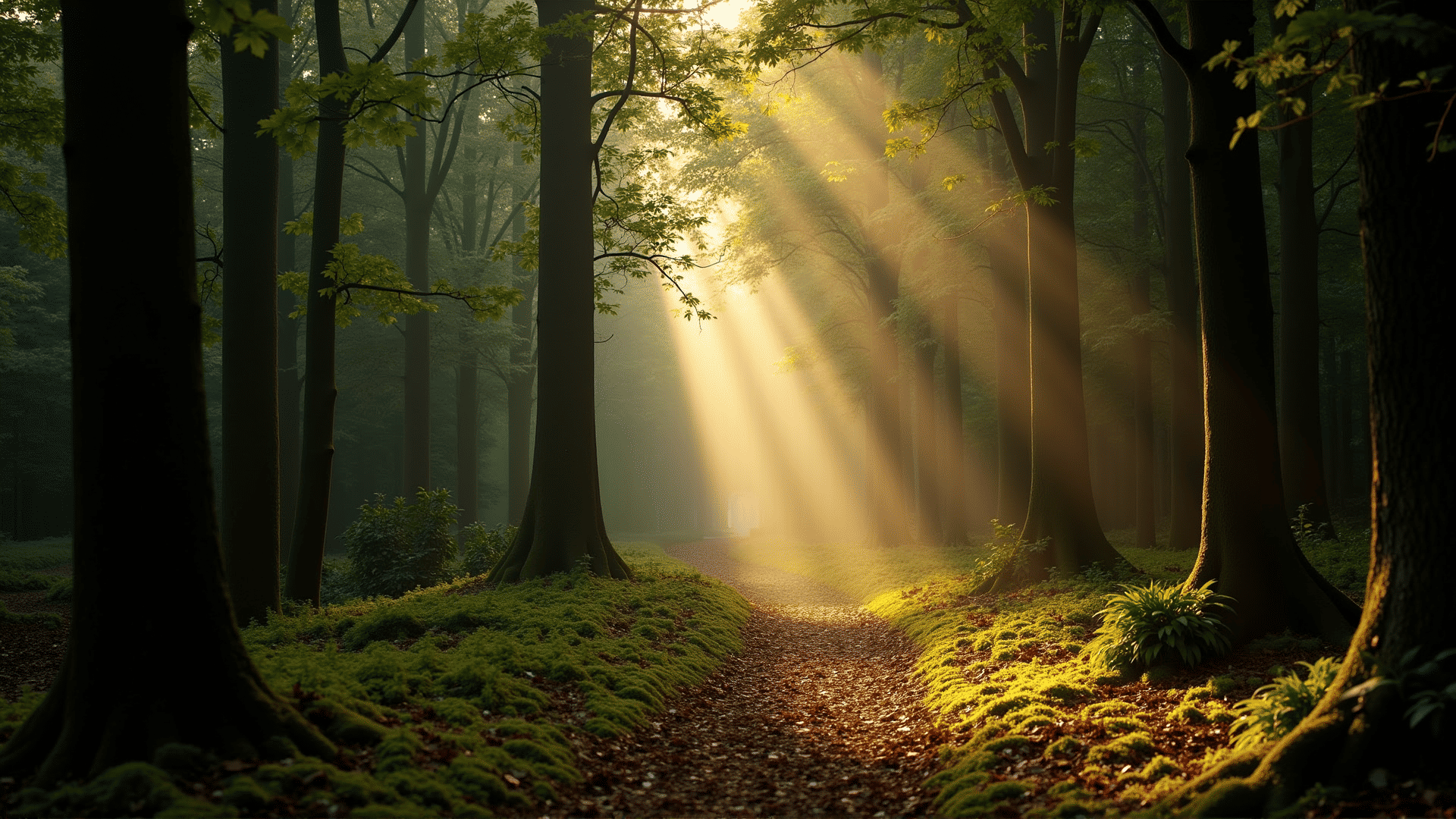
To begin, understanding the essence of light is crucial. Natural illumination, with its ever-changing qualities, can transform a scene dramatically. The golden hours—shortly after sunrise and before sunset—are ideal for capturing warm, soft hues that enhance the tranquility of landscapes. The interplay of shadows and highlights during these times offers depth and dimension, rendering images that evoke an emotional connection with the viewer.
Equally important is the composition of the photograph. Employing the rule of thirds, where the frame is divided into nine equal sections, can guide the placement of focal points within a scene, creating balance and interest. Meanwhile, leading lines, such as paths, rivers, or tree branches, naturally draw the eye into the frame, inviting a journey through the image. Consider experimenting with different perspectives; capturing a landscape from a low angle might convey a sense of grandeur, while an aerial view can reveal the intricate patterns and textures often unnoticed.
When it comes to wildlife, patience and respect for the subject are paramount. Capturing animals in their habitat requires a keen understanding of their behavior and a readiness to seize moments of natural interaction. Whether it’s the grace of a deer in the early morning mist or the antics of a playful otter, being prepared and unobtrusive is key to success. Use a suitable lens that allows you to maintain distance while focusing on details, ensuring the subjects remain at ease and undisturbed.
Another dimension to consider is experimenting with different settings and techniques your equipment offers. Using a slow shutter speed can convey the motion of a cascading waterfall, while a wide aperture creates a beautifully blurred backdrop, making a single flower or insect stand out in sharp detail. Discover the myriad ways to manipulate exposure, ISO, and aperture settings to achieve the desired effect.
Furthermore, embracing the seasonal shifts can reveal unique facets of a familiar landscape. The vibrant blooms of spring, the lushness of a summer meadow, the rich hues of autumn foliage, and the stark contrast of winter snow each offer distinct opportunities to capture nature’s diverse palette.
Finally, immerse yourself in the stories the natural world has to tell. Each captured moment is a narrative waiting to be shared, a testament to the fleeting beauty found in our environment. As you cultivate your skills, remember that the connection between you and nature is the true heartbeat of your work, compelling viewers to appreciate and cherish the wondrous world around us.
In conclusion, venturing into the realm of nature imagery allows for an exploration of both personal creativity and the extraordinary dynamism of the natural world. As you hone your craft, you'll develop an eye for the subtle majesty that nature offers, producing images that not only capture the essence of your subjects but also inspire others to look closer at the beauty that surrounds them.