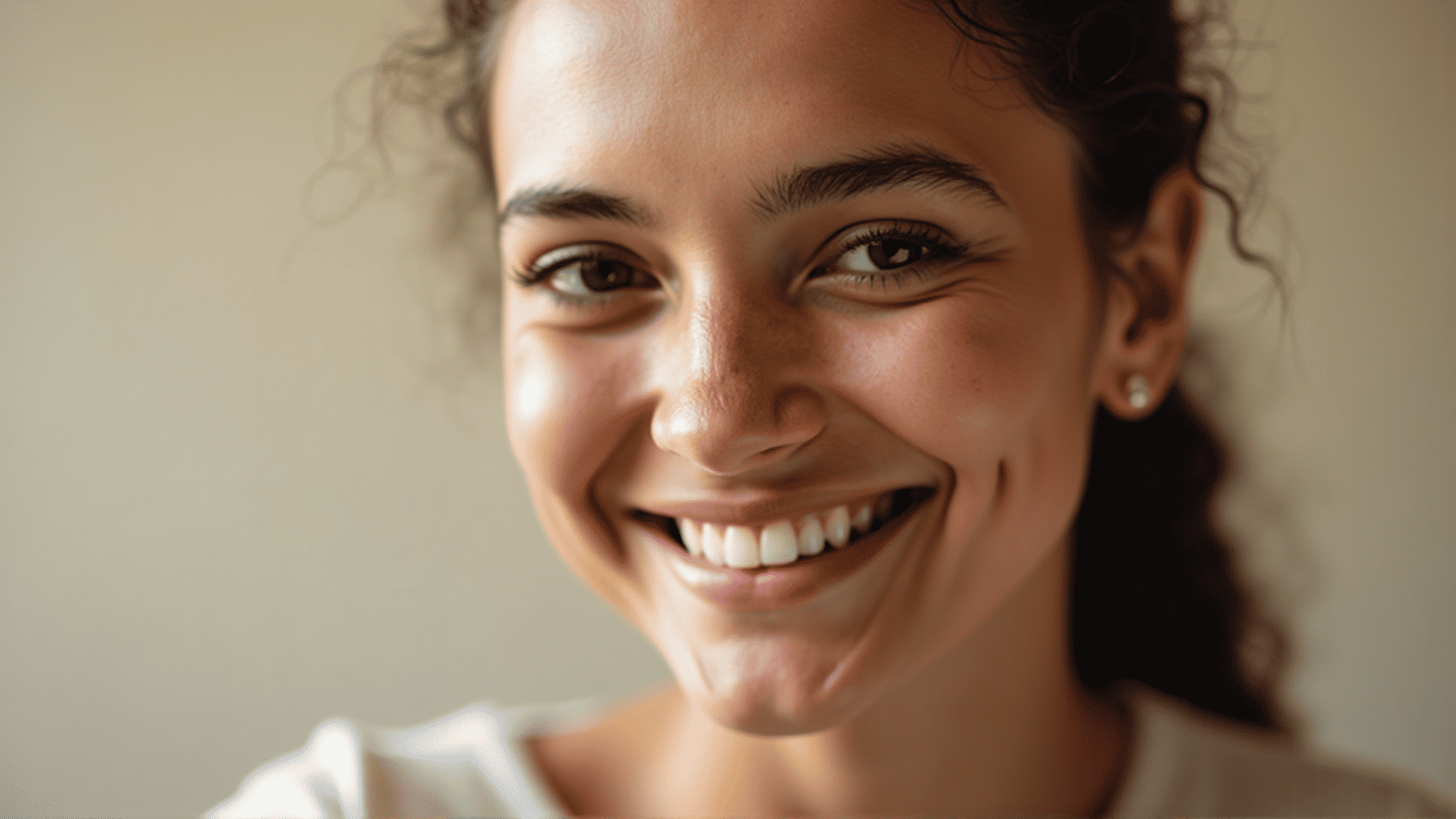
Delving into the art of portraiture can transform a simple photograph into a captivating story. Portrait photography is more than just capturing a face; it’s about conveying emotions, mood, and personality. Here are some essential components to elevate the quality of your portrait captures through thoughtful composition, lighting, and techniques that ensure genuine expressions are reflected in every shot.
Mastering Composition
Composition is a fundamental element of effective portraiture. Utilize the rule of thirds by positioning your subject off-center to create a balanced yet dynamic frame. Experiment with different angles and perspectives to add depth and interest. A low angle can suggest power and dominance, while a high angle might convey vulnerability or innocence.
Consider the background and foreground elements to complement your subject rather than distract from them. Elements such as leading lines and natural frames (like windows or doorways) can guide the viewer's eye to the subject. Always aim for simplicity, keeping the focus sharply on the subject.
Harnessing the Power of Lighting
Lighting is arguably the most critical component of portrait photography. It dramatically influences the mood and tone. Natural light, especially during the golden hours—shortly after sunrise or before sunset—casts a soft, flattering glow that’s ideal for portraits.
If you’re working indoors or in less-than-ideal natural light, employ techniques like using a reflector to bounce light onto the subject or diffusing harsh light through a softbox for a gentler appearance. Pay attention to shadows as they can sculpt features and add drama or detract by creating unwanted distractions. Catchlights, the small reflections of light in the subject's eyes, are crucial for adding life to a portrait.
Techniques for Capturing Genuine Expressions
Engage with your subject to create a comfortable and relaxed atmosphere. Building rapport can lead to more authentic expressions and interactions. Instead of dictating poses, let the subject move naturally and provide gentle guidance to refine their posture and demeanor.
Consider candid shots alongside posed ones. These unstaged moments often reveal genuine emotions and can be some of the most powerful images. Being patient and observant is key to catching spontaneous expressions that tell a story.
Final Touches
Post-processing should highlight the strengths of your portrait without overshadowing the natural characteristics of the subject. Light retouching can enhance features and correct minor imperfections, but the aim is to maintain authenticity. Adjust exposure, contrast, and color balance for a polished final product.
In summary, stunning portraiture arises from a seamless blend of skilled techniques, a keen understanding of light, and the ability to capture the essence of the subject. By concentrating on these core elements, you can create compelling portraits that transcend the ordinary and resonate on a deeper level with viewers. Embrace these strategies to enrich your skillset and produce photographs that genuinely connect with both the subject and the audience.